
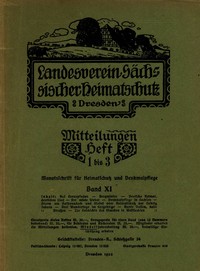
Landesverein Sächsischer Heimatschutz — Mitteilungen Band XI, Heft 1-3…
This isn't a book with a plot in the traditional sense. It's a bound volume of three quarterly newsletters (or 'Mitteilungen') from 1932-1933, published by the Saxon Heritage Protection Society. The pages are filled with the society's everyday business: detailed notes from their meetings, lists of new members, financial reports, and articles about their projects.
The Story
The 'story' is the record of a group's work during a time of immense social upheaval. You read about their efforts to catalog traditional farmhouse designs, their worries about funding, and their plans to publish a book on regional folk art. The language is formal and focused on cultural preservation. But the dates are the key. As you move from issue to issue, the world outside is changing drastically. The newsletters don't discuss politics directly, but the context hangs over every page. It creates a powerful, silent tension. You're watching a group do very ordinary administrative work on the edge of a historical cliff.
Why You Should Read It
This book fascinated me because it makes you an active reader. You have to read between the lines. There's a chilling disconnect between the mundane topics—debating the correct paint color for a historic windmill—and the terrifying era in which these debates were happening. It raises profound questions about how ordinary institutions navigate extraordinary times. What does it mean to 'protect heritage' when the definition of that heritage is being violently rewritten by the state? The book doesn't answer these questions. Instead, it presents the raw, unedited minutes of an organization that may have been asking them itself, or perhaps choosing not to.
Final Verdict
This is a niche but powerful read. It's perfect for history buffs and anyone interested in the quiet, everyday mechanics of life during pivotal historical moments. If you enjoy primary source material that tells a story through omission and context, you'll find this volume incredibly compelling. It's not a beach read; it's a thinking read. You won't get swept away by characters or action, but you might find yourself staring at a paragraph about fundraising for a village museum, feeling a deep sense of unease and curiosity about the world that surrounded it.
There are no legal restrictions on this material. Thank you for supporting open literature.
George Jones
1 year agoClear and concise.
Ashley Jackson
10 months agoThe index links actually work, which is rare!
Elijah Williams
2 months agoBeautifully written.
Paul Ramirez
2 months agoCitation worthy content.








Liam Gonzalez
1 year agoNot bad at all.